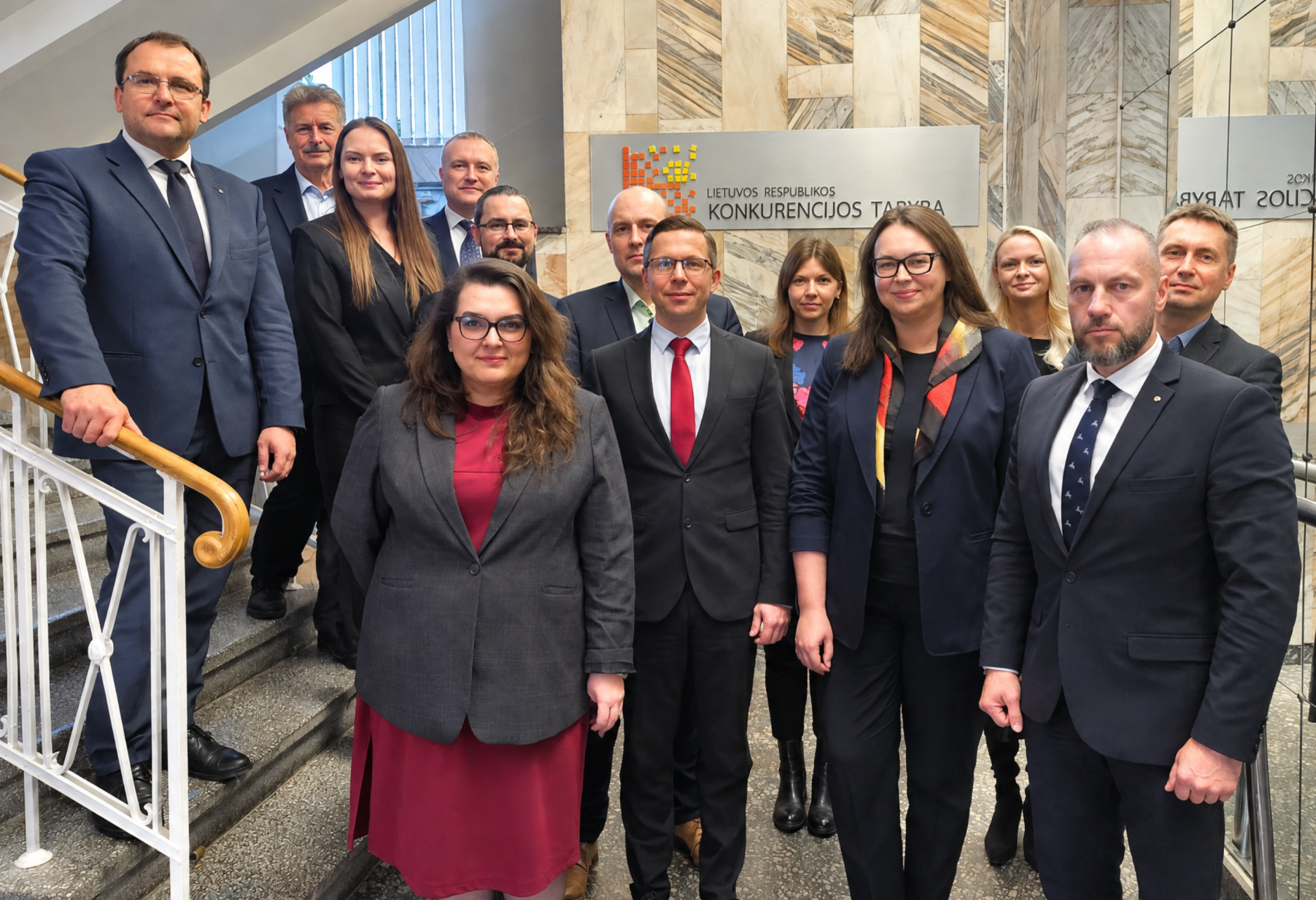
Transparency in defence procurement, efficient use of public funds and responsible management of public resources were among the key topics discussed yesterday by representatives of the Special Investigation Service (STT) during a meeting with the heads and experts of the Lithuanian Competition Council, the Public Procurement Office and the National Audit Office.
Representatives of the four institutions discussed the need to identify potential risks at an early stage in order to prevent possible irregularities in the use of public funds.
National security and defence are among the STT's key priorities. This is driven not only by increasing funding for the sector but also by the recognition that a lack of transparency in decision-making can have consequences extending far beyond financial losses.
"Our national security is directly linked to transparency in public procurement in the defence sector. As funding for this sector continues to grow, it is essential to ensure that the allocated resources are used efficiently and transparently. The institutions responsible must continue to cooperate at both leadership and expert levels to prevent potential risks in this area," said STT Director Linas Pernavas following the meeting.
Representatives of the institutions discussed the speed of procurement procedures, the importance of expert assistance and mutual consultations, and the requirements for transparency, efficiency and fair competition in public procurement. The importance of data sharing was also emphasised. During the meeting, the Competition Council presented practical examples of how data received from other institutions had helped uncover prohibited agreements between suppliers in public procurement procedures.
The meeting also addressed the importance of the planned modernisation of the Central Public Procurement Information System (CVP IS). Participants examined the challenges in this area and identified opportunities for significant improvements. Upgrading the system would provide institutions with the database functionality they need, including the collection of relevant data and the possibility of direct access to it. Participants agreed that the Public Procurement Office must be provided with the necessary resources to develop the system, as it could become one of the most effective tools for managing risks in public procurement.
The institutions agreed to further strengthen their cooperation, improve information-sharing processes, exchange experience in the use of artificial intelligence tools and jointly seek solutions to ensure transparency and efficiency in public procurement.